2026 Blackstone Cultural Council Grants: Full Funding List Released
Blackstone Cultural Council 2026 Funding List: Supporting Local Arts and Creativity
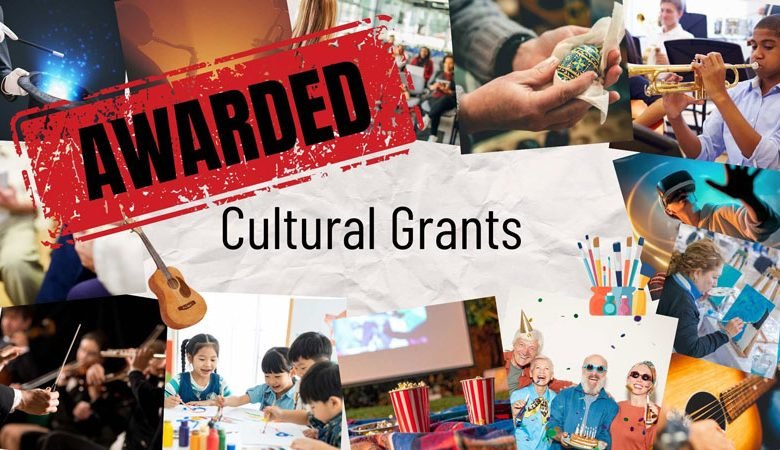
Exciting news for Blackstone! The Blackstone Cultural Council 2026 funding has been released, with a total of $8,900 awarded to local arts and cultural programs. Grants for 2026 were announced last year with an October application deadline, highlighting the council’s ongoing support for local creativity. Congratulations to all recipients—these grants promise exciting events and programs coming soon to our community.
Library Leads the Way with 41% of Funding
The Blackstone Public Library received the most grants this year, with 13 awards totaling $3,660, which is roughly 41% of the total funding. Residents can look forward to a variety of engaging library programs throughout the year, making it an exciting time for readers, families, and community members alike.
Music Programs Bring Joy to the Community
Music lovers are in for a treat! The Blackstone Cultural Council 2026 funding supports several music programs, including:
- Music of Elton John
- Musicfest by BMMA
- Jumpin’ Juba senior concert
- Music of McCartney
- Band concert by Southeastern Massachusetts Community Wind Symphony, Inc.
- Summer music series at Daniels Farmstead
- The Claflin Hill Music Performance Foundation, Inc. celebrating America’s 250th at Daniels Farmstead
- The Very Merry Dickens Carolers returning to the Blackstone Museum for the holidays
These programs will bring live music, community engagement, and celebrations to Blackstone all year long.
Full 2026 Funding List
| Name | Project Title |
|---|---|
| Benton, Zachary | Music of Elton John |
| Blackstone Historical Commission | Very Merry Dickens Carolers |
| Blackstone Parks and Recreation | Movie Nights for the Community |
| Blackstone Public Library | Mike Bent: Super You! Magic Show |
| Blackstone Public Library | Wingmasters: World of Owls |
| Blackstone Public Library | Didgeridoo Down Under for Adults & Young Adults |
| Blackstone Public Library | Linocut Printmaking with Brooke Lambert |
| Blackstone Public Library | Buildwave Workshop |
| Blackstone Public Library | Terrific Terrariums |
| Blackstone Public Library | Painted Skulls |
| Blackstone Public Library | Caravan Puppets: Our Flying Friends |
| Blackstone Public Library | Barn Babies |
| Blackstone Public Library | Animal World Experience: Creepy Crawlies |
| Blackstone Public Library | Coppersmithing Workshop with Heather Beck |
| Blackstone Public Library | Janet Parnes as Deborah Sampson |
| Blackstone Public Library | Roger Kabler as Robin Williams |
| Blackstone’s 250th Semiquincentennial Celebration Committee | 250th Semiquincentennial Celebration |
| Blackstone-Millville Music Association, Inc. | MusicFest 2026: A Community Celebration |
| Ferrelli, Chie | Taste of the Philippines |
| Ferrelli, Chie | A Paper Lantern Workshop |
| Goodwin, Todd | That Was a Good Wun- Songs and stories from around the Campfire |
| Hurlbut, Steven M. | Jumpin’ Juba senior concert |
| Kirouac, Daniel | The Music of McCartney: The World’s Most Successful Songwriter |
| Langlois, Celeste | The Art of Pysanky |
| Langlois, Celeste | Country Bunny Shelf Sitters |
| Parisi, Rita | 1908 Tea: Corsets, Change & a Shopping Trip to Boston with Mrs. Michael Gordon |
| Southeastern Massachusetts Community Wind Symphony, Inc. | Band Concert |
| The Claflin Hill Music Performance Foundation, Inc. | Celebrating America’s 250th at Daniels Farmstead |
| The Daniels Farmstead Foundation, Inc. | Summer Music Series |
| Tincknell, Roger L. | This Land is Your Land |
Full funding list and approved amounts available online
The Blackstone Cultural Council 2026 funding is more than just numbers—it represents the heartbeat of creativity in our town. Congratulations to all the recipients! With $8,900 allocated across a variety of programs, Blackstone residents can look forward to a year filled with music, arts, and cultural experiences. What’s especially exciting is how these initiatives bring neighbors together. Whether attending a library workshop, enjoying a live performance, or joining a holiday celebration, residents of all ages will have opportunities to connect, learn, and be inspired. The Blackstone Cultural Council 2026 funding reminds us that arts and culture are not just entertainment—they are experiences that strengthen our sense of community, spark imagination, and celebrate the unique talent of our town.
At Small Town Post, we celebrate the people, organizations, and initiatives that our local communities unique. Sharing the Blackstone Cultural Council 2026 funding list is one way we spotlight creativity and community spirit. If you have stories, projects, or news to share, send them our way anytime! And don’t forget to follow us on Facebook for regular updates on local events, arts, and community happenings.