Inside the Blackstone Municipal Building Project Feasibility Study: What It Means and What Comes Next
Blackstone residents are once again hearing about a large potential capital project — and, understandably, asking big questions.
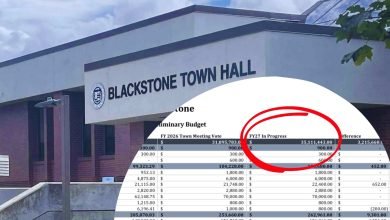
At the January 27 Board of Selectmen meeting, town officials reviewed a new feasibility study for the Blackstone Municipal Building Project, a proposal with an estimated total cost of $61.725 million. The study explores options for replacing or significantly reworking the town’s aging Town Hall and Public Safety buildings.
This conversation is happening alongside another major — and widely acknowledged — need: the future renovation or replacement of the Blackstone-Millville Regional High School. With multiple projects potentially costing millions of dollars, town leaders emphasized that this stage is about understanding risks, needs, and possibilities before any decisions are made.
A Planning Step, Not a Final Decision
While the presentation included preliminary concepts, space needs, and cost estimates, it remained firmly within the planning phase. The next step is for Kaestle Boos Associates (KBA) to deliver a final feasibility report, incorporating feedback and questions raised during the meeting.
Following the presentation, Chair Dan Keefe pointed out that the town owns other properties, including the John F. Kennedy / Augustine F. Maloney school building, and that there may be significant potential if the Board and community explore creative ways to use existing space.
Selectman Mary Bulso agreed, noting her experience renovating former schools, senior centers, and town halls in other communities. Her comments reinforced that adaptive reuse is not only possible, but something worth serious consideration.
In short, this is a planning conversation — not a final decision.
Why the Town Commissioned a Feasibility Study
The feasibility study for the Blackstone Municipal Building Project was commissioned to answer a fundamental question facing the town: What are Blackstone’s real, long-term needs — and what options realistically exist to meet them?
With aging municipal and public safety buildings, growing accessibility requirements, evolving public safety standards, and known site constraints, town officials sought an objective, professional evaluation before considering any next steps. Rather than assuming a solution, the study was intended to identify risks, limitations, and opportunities — including whether renovation, replacement, relocation, or creative reuse of existing space could make sense.
The study was conducted by Kaestle Boos Associates (KBA), an architectural firm with more than 50 years of experience in municipal and public safety facilities. KBA explained that the most important part of this process is the programming phase, where the focus is on listening rather than designing.
Over several months, KBA met with the Police Department, Fire Department, Town Hall departments, and the Council on Aging to understand how each group functions, what spaces they rely on, and what they need now — and in the future. The result is a detailed program document that defines space requirements, operational relationships, and critical priorities.
This program becomes the reference point for all future design work. As KBA noted, it is used repeatedly to evaluate whether space requests are justified, ensuring that any future proposal is grounded in documented needs rather than assumptions or wish lists.
Public Safety and the Risk of Being Cut Off
While aging buildings are part of the discussion, the most urgent concern raised during the presentation involved access during emergencies.
KBA explained that although the current Public Safety building itself does not flood, surrounding roadways are prone to significant flooding during storms.
The site itself won’t flood… but you could be surrounded by water. You might have a moat around this place.
This so-called “moat effect” could isolate police cruisers, fire engines, and ambulances, preventing them from responding to emergencies. KBA stressed that the issue is not flood damage to the building, but the possibility of being trapped when emergency response is needed most.

Because public safety facilities must remain operational at all times, this risk carries far greater weight than it would for standard municipal offices.
Why Renovation Is More Complicated Than It Appears
As part of the feasibility study, KBA reviewed the condition of the existing Town Hall building. Constructed in 1977 and totaling 22,665 square feet, the building does not meet current standards for accessibility, fire resistance, seismic stability, or energy efficiency. Building systems were described as outdated, and the structure cannot adequately support modern public safety operations.
Town officials also discussed the “30% Rule,” which requires that if renovations exceed 30 percent of a building’s value, the entire structure must be brought up to current codes.
KBA explained that public safety buildings are held to especially high standards. Seismic requirements are stricter, fire separations are mandatory, and systems such as sprinklers and fire protection would need to be installed. Because the building was constructed before newer, stricter codes were in place, any major renovation could trigger extensive — and potentially cost-prohibitive — upgrades.
Designing for Modern Public Safety and Future Technology
Beyond structural concerns, the study addressed how quickly public safety technology is evolving. Body-worn cameras, drones, AI-assisted tools, and expanding digital evidence storage all require robust infrastructure.
KBA emphasized the importance of well-designed MDF (Main Distribution Frame) rooms, which serve as the communication and data nerve centers for police and fire operations. Proper planning allows for redundancy, sufficient rack space, and flexibility so facilities can adapt as technology changes, rather than becoming outdated within a few years.
Sustainability and Responsible Design
Sustainability is a standard component of KBA’s design approach. Proposed systems would include occupancy sensors to reduce energy use when buildings are empty, CO₂ sensors to improve air quality, and daylight sensors that adjust lighting based on natural light levels.
The goal, KBA explained, is to design buildings that operate efficiently based on how the town actually functions — conserving energy while controlling long-term costs.
What the Programming Analysis Found
Based on departmental input, the study identified the following space needs:
Public Safety
- Fire Department: approximately 12,255 square feet
- Police Department: approximately 20,495 square feet
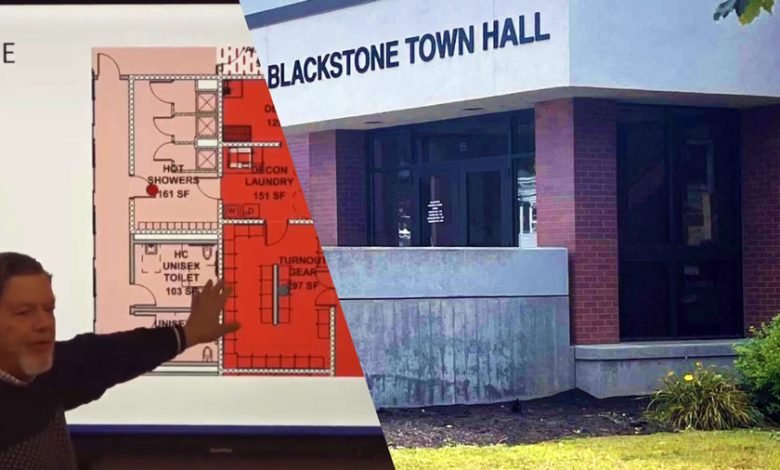
Design concepts emphasize health and safety, including separating contaminated and clean areas, incorporating decontamination zones, and using circulation systems that reduce cross-contamination. These design strategies are supported by national data showing reduced long-term health risks for first responders.
Council on Aging
- 15 spaces, totaling approximately 6,635 square feet
- All COA spaces located on the first floor
- A large, flexible event hall capable of hosting holiday dinners, or being divided into smaller rooms
- Additional private meeting and support spaces
Town Offices
- 45 spaces, totaling approximately 8,504 square feet
- Departments grouped based on workflow
- Added storage space
- Garage space preserved for future town use
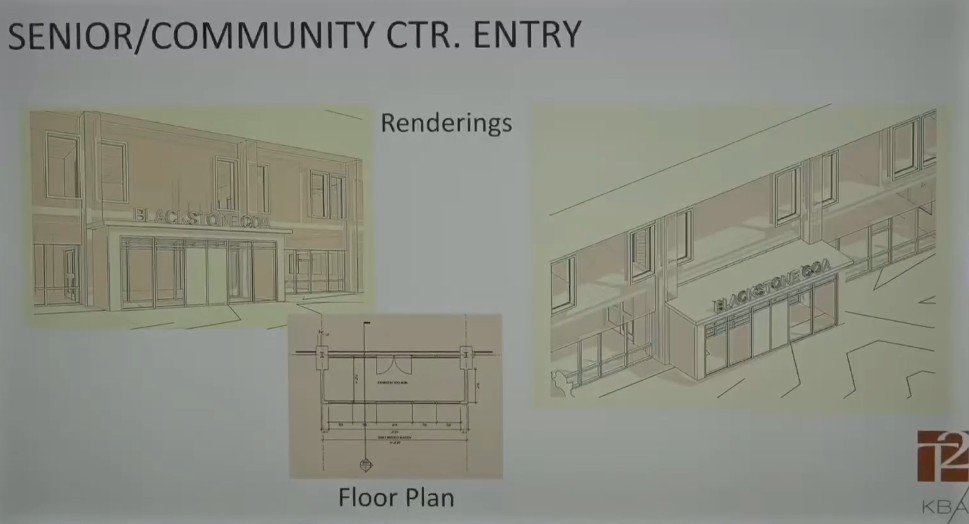
- Fully accessible street-level entry and elevator access to both floors
Timeline, Cost, and the Road Ahead
The Blackstone Municipal Building Project is envisioned as a multi-year effort, with the town currently still in the feasibility phase.
Preliminary cost estimates presented were:
- Public Safety facilities (Police and Fire): $38,225,000
- Town Hall facilities including Senior Center: $23,500,000
- Total estimated cost: $61,725,000
KBA emphasized the importance of communication and public outreach throughout the process. Questions raised during the meeting will be reflected in the final feasibility report, which has not yet been released.
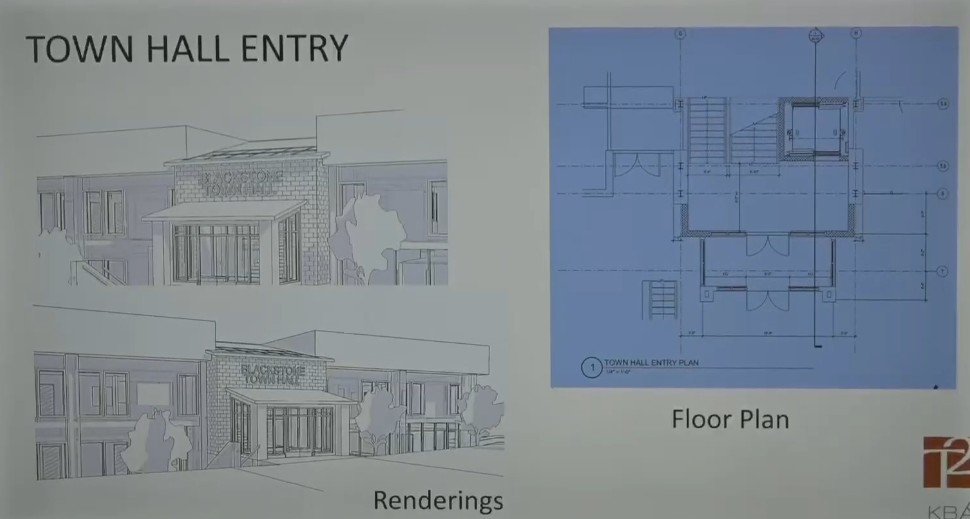

It was also noted during the meeting that the town previously approved $100,000 through a warrant article in 2022–2023 specifically to fund this feasibility study, and that the presentation represents the work produced as a result of that earlier vote. A separate feasibility study conducted in 2017 was also acknowledged during the discussion for historical context.
Check out some of the slides presented during the Board of Selectman meeting
Why This Conversation Matters
The Blackstone Municipal Building Project is ultimately about safety, accessibility, and long-term planning — but it is also about cost, timing, and impact. With potential price tags in the tens of millions of dollars, these discussions naturally raise concerns about taxes, affordability, and how large capital projects affect residents on fixed incomes or those already feeling the strain of inflation.
This conversation is also happening as the town considers other significant needs, including the future of the Blackstone-Millville Regional High School. Taken together, these projects highlight the importance of understanding not just what is being proposed, but how it could be funded, phased, or adjusted over time.
While no decisions have been made, the feasibility study brings key questions to the surface early — before options narrow and costs solidify. How much is realistic for a town of Blackstone’s size? What tradeoffs might be required? What alternatives should be explored?
As the process continues, residents are encouraged to get involved early rather than later. Attending meetings, asking questions, and sharing feedback with town officials now helps shape the discussion before any direction is set. Community input will play a critical role in determining what comes next — and how Blackstone balances safety, services, and financial realities as it plans for the future.
Watch the Board of Selectman meeting
Presentation starts on 27:30
At Small Town Post, our mission is to shine a light on the big infrastructure projects that affect your safety and your taxes. We believe that when neighbors understand the “why” behind a $61 million project, our community can make better decisions together. Do you have thoughts on the station location or the flooding risks? Send us your info or stories anytime! Be sure to follow us on Facebook for local updates.