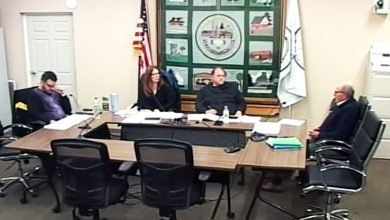
The Blackstone Millville School Building Project reached a turning point on August 20, when the School Building Committee (SBC) voted unanimously in favor of a preferred design. Only three residents (outside the SBC) attended the meeting, but the decisions made that evening can impact education, athletics, and community life for decades.
A Look Back: How We Got Here
In recent months, the SBC has made several major decisions. On June 12, members agreed that a grades 7–12 configuration was the most educationally appropriate. Since then, the focus has been on shaping an Educational Plan—a roadmap ensuring the new school meets today’s needs while staying flexible enough to serve the district for the next 50 years.
At the August 20 meeting, the committee reviewed updated cost estimates, compared design options, and confirmed the direction that will be submitted in the Preferred Schematic Report (PSR) to the Massachusetts School Building Authority (MSBA). That report is due August 28.
Six Priorities Driving the Plan
The Blackstone Millville School Building Project has been guided by six core priorities:
- Robust Curriculum – More than 109 course offerings, including AP, Honors, Innovation Pathways, dual enrollment, and online learning.
- STEAM and Arts – Dedicated spaces for visual and performing arts.
- Inclusion and Special Education – Accessible classrooms, therapy rooms, sensory spaces, and supports for students with disabilities.
- Career and Life Skills – Mock apartments and kitchens to teach independent living and vocational training.
- Athletics and Wellness – A larger gym, modern locker rooms, fitness center, and ADA-compliant fields and stadium.
- Safety and Security – A single secure entrance, modern surveillance, and centralized student support offices.
These goals go beyond replacing an outdated building—they aim to create a flagship school designed for future generations.
What the Numbers Say
The preferred design, known as Option 7.4, calls for a grades 7–12 school for 580 students. Current estimates place the construction cost at $150.7 million, with a total project cost of $195.9 million. Project managers cautioned that costs could rise to $210 million once contingencies are factored in.
Budget Comparison Summary Options for Grades 7-12 Configuration (580 students)
| Options considered for Pricing | Est. Construction Costs | Est. Total Project Cost |
|---|---|---|
| Option 1 – Base Repair / Code Upgrades | $86,786,945 | $112,823,029 |
| Option 2 – Interior Renovations Only | Not priced | Not priced |
| Option 3 – Addition/Renovation | $155,485,624 | $202,131,311 |
| Option 4 – New Building (known as Option 7.4) Preferred Schematic Option | $150,708,037 | $195,920,448 |
Note the cost above does not include the Alternates. Full budget comparison summary with other grade configurations available on slide 7 (presentation file below).
While the MSBA may reimburse up to 58% of eligible expenses, architects and project managers DRA/Colliers reminded the committee that not everything qualifies. Site challenges, demolition, or community enhancements—like upgraded fields—often fall outside reimbursement limits. Their job, they emphasized, is to maximize every dollar of MSBA funding available.
Check out the presentation from the August 20 meeting:
Community Priorities and Choices Ahead
An additional $9.5 million in “alternates”—mainly athletic field features like sports lighting and bleachers—was discussed. Discussion involved that these could be decided separately at Town Meeting, allowing flexibility for future community fundraising or other funding sources.
Residents who spoke highlighted real needs, such as facilities for the marching band, which has struggled to host home shows without proper seating or infrastructure. Committee members confirmed that bleachers, field updates, and a larger gymnasium are part of the conversation, although not finalized, ensuring the district can host events for both students and the wider community.
Why New Construction Is Favored
Repairing the current school would cost $112.8 million, but because it fails to meet educational requirements, the MSBA may not reimburse most of it—which could leave Blackstone and Millville fully responsible. Renovation options also proved more expensive and disruptive.
By contrast, new construction offers efficiency and long-term savings: about 18 months for construction, followed by another year for demolition and field work. Additions and renovations could stretch the timeline closer to four years.
What Residents Said
Though attendance was small, the public comments reflected a shared urgency:
- “The kids need a place to practice and do great things,” said one resident, pointing to the need for facilities that support the band and large community events.
- Another added, “We’re never going to get another chance with MSBA to get this much funding. This is our chance to give kids the education they deserve.”
What’s Next for the Blackstone Millville School Building Project
- August 28, 2025 – PSR submission deadline to MSBA
- October 1, 2025 – Next School Building Committee meeting
- October 2025 – MSBA Board review for Preferred Schematic Design authorization
The August 20 vote was 14–0 in favor of Option 7.4, marking a clear step forward. Between now and February, the project team and the SBC will refine details, finalize costs, and work with the community to decide what enhancements should be included in preparation for the Town Meeting vote. It’s important to remember that cost estimates are just that—estimates. Over the next few months, the SBC, the project team, and the community will work closely together to sharpen those numbers and shape the project. This makes community participation essential, both at meetings and in conversations with committee members.
Why It Matters for Blackstone and Millville
The Blackstone Millville School Building Project is not simply about bricks and mortar. It’s about building opportunity—through stronger academics, inclusive education, modern arts and athletic facilities, and a secure, flexible environment that will serve generations of students.
At the same time, these conversations are happening against a very real backdrop: residents worried about rising taxes, seniors living on fixed incomes, and recent override votes in Millville that showed just how difficult it can be to balance costs with community priorities. Blackstone and Millville share this district, and both towns will need to weigh the near-term financial impact alongside the long-term vision.
That’s why participation matters. The choices made in the coming months will determine not only what kind of school we build, but also how we pay for it, how we balance immediate challenges, and how we position the district to grow. A strong high school can attract new families, bolster school choice enrollment, and give current students the opportunities they deserve.
This is our moment to have the hard conversations, face the financial realities, and still imagine what we want our schools—and our towns—to look like 50 years from now.
And here’s the most important part: don’t just debate this on Facebook. Come to the meetings. Talk directly with School Building Committee members. Ask questions (even Email!), share concerns, and be part of the process. Decisions of this scale deserve more than online chatter—they need your voice in the room.
Blackstone Millville School Building Project Key Documents & Resources
- BMRSd School Building Project Hub
- 2020 Facilities Assessment
- DRA Application
- School Building Committee Minutes – May 28, 2025 with Presentation
- An Update from the Blackstone Millville Regional School District Capital Planning Committee
- MSBA Project Pipeline
- School Building Committee Members
- School Committee Members
- SBC Meeting Materials from July 23 which includes a Presentation on Preferred Schematic Design Options
- SBC Meeting Materials from August 20 which includes Presentation of 7.4 Design Option and Cost Estimates
At Small Town Post, our mission is to make local news accessible, clear, and meaningful for every resident. Stories like the Blackstone Millville School Building Project show how decisions made today shape the future for decades to come.
If you have information, ideas, or stories that matter to Blackstone and Millville, send them our way—we’d love to share them. And be sure to follow us on Facebook, where we post regular updates and local stories you won’t want to miss.