

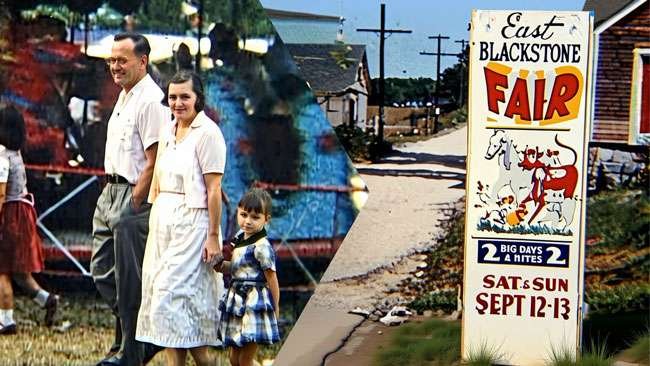
A Snapshot of Small-Town Spirit
From 1950 to 1961, the East Blackstone Fair stood as one of the most celebrated community events in the town of Blackstone, Massachusetts. Beginning as a small Grange-sponsored gathering, it quickly blossomed into a vibrant, state-accredited two-day fair that drew crowds from all over the Blackstone Valley—and even beyond. With its slogan “Some Bigger – None Better,” the fair became a symbol of the town’s hardworking, tight-knit, and community-driven spirit.
“The fair attracted people from many surrounding towns,” recalled Shirley Deacon, whose husband Jesse Deacon was one of the fair’s driving forces. “Every committee worked very hard to make it the best it could be.” Shirley shared her memories with her granddaughter Jenna Bissonnette, who kindly passed them along to us.
Shirley shared some insight into the fair’s evolution: “The fair began as a Grange fair and eventually shifted to a town event.” Jesse, along with Bill Kelly, co-chaired the organizing committee, working year-round with a team of dedicated volunteers. Jenna recalls stories of her grandmother joining the effort around 1952 when Shirley began dating Jesse. “It was a lot of work—I remember Grampie used to work on it all winter,” Jenna said.
From Grange Field to a Town-Wide Celebration
The East Blackstone Fair began as a simple one-day gathering in a pasture across from the East Blackstone Grange. It was partly inspired by the “Old Home Days” of the 1930s—community reunions meant to bring former residents back to their hometowns to reconnect with neighbors, celebrate local pride, and strengthen community ties.
By its second year, the fair had grown into a two-day town-wide celebration, moving to the expansive Schofield Kelly Dairy farm atop Bellingham Road. As word spread and attendance climbed into the thousands, the fair rotated between several larger venues, including Kelly’s Farm, the Blackstone/Mendon town line, and eventually, the field behind The Oliveras on Elm Street.
It was a true community effort. The event was entirely volunteer-run and powered by local groups like the East Blackstone Grange, the Fire Department, the Federated Church, the Parent-Teacher Association, Boy Scouts, and 4H clubs. Each group took part in the planning, organizing, and day-of excitement—pitching in to make the fair something the whole town could be proud of.
Contests, Community, and Carnival Magic
The fair had something for everyone and it featured everything from pie-eating and ladies’ rolling pin throwing contests to livestock judging, vegetable displays, and even a greased pig race. Prize ribbons came with small cash awards—anywhere from 25 cents to $1—and they were a big deal in the community.
There were also bigger spectacles: tractor shows, horse pulling and showing, oxen contests, and elaborate exhibitions of dairy cattle, sheep, hogs, poultry, flowers, and hand-sewn crafts. One year even featured an elephant show with the world’s youngest elephant trainer, then 11-year-old Jimmy Cole.
The entertainment was just as varied: magician shows, trapeze acts, dance performances, carnival rides, and food tents organized by local groups like the Federated Church. Wright’s Farm even hosted a chicken roast one year—long before it became the famous spot it is today. Admission was roughly 75 cents, making it accessible fun for all.
A Community That Rebuilt Together
The fair was more than just entertainment—it represented the town’s resilience and unity. In 1954, Hurricane Edna struck on opening day and tore everything down. But by the next morning, thanks to a remarkable community effort, tents were re-raised, arenas reassembled, and walkways retrenched to drain the mud. The fair opened on time, showcasing the incredible spirit of the people behind it.
East Blackstone Fair Memories That Still Bring Smiles
Although the last East Blackstone Fair was held in 1961, the memories live on—shared with warmth and joy by those who were there. Many residents fondly recall cheering on the rolling pin contest, savoring the famous Grange-barbecued chicken, or proudly entering homegrown vegetables, handmade crafts, and sewing projects.
Children would save their allowance for weeks, eager to spend it at the fair. It was one of the most exciting days of the year, filled with carnival rides, sweet treats, and games—offering a sense of anticipation and belonging.
Neighbors of all ages stepped up to help, whether by taking tickets, running booths, organizing contests, or lending a hand wherever needed. The fair may have changed locations over the years, but its spirit remained constant.
More than just an event, the East Blackstone Fair became a beloved tradition that brought people together. Even decades later, it remains a joyful memory for many—a reminder that when something is built with heart, its impact can last for generations.
Why It Came to an End
By 1961, the East Blackstone Fair had reached both its peak and a turning point. Though still well-loved and well-attended, organizers sensed that changes were on the horizon—local farms were beginning to close, families were moving away, and fewer volunteers were available to keep the tradition going strong. Rather than watch the fair gradually fade, the committee made the thoughtful decision to end it while it was still a vibrant, joyful celebration. They chose to preserve its legacy on a high note, knowing that the spirit of the fair would live on in the memories of all who took part.
Take a look back through these black-and-white snapshots from the Deacon family—capturing the joy, community, and small-town spirit that made the East Blackstone Fair so special.

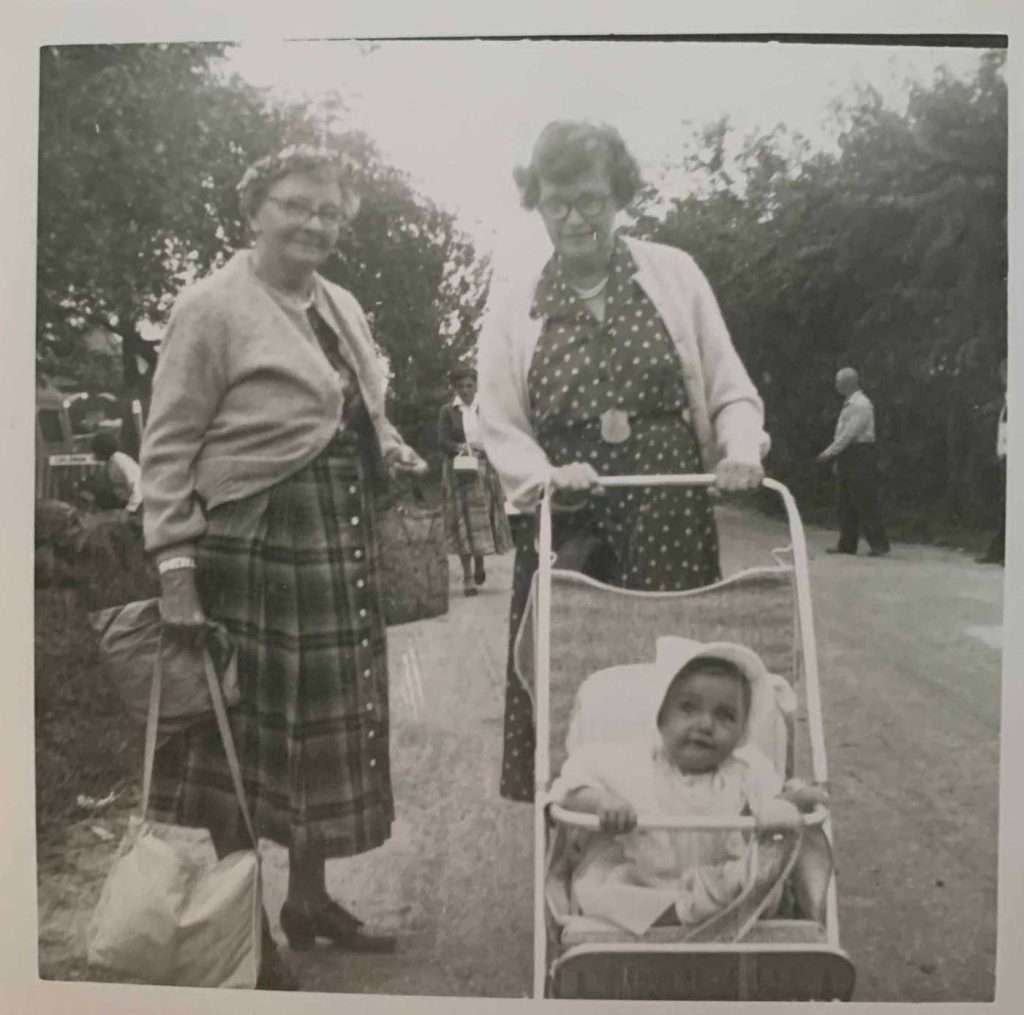


Rare Footage and Artifacts of the East Blackstone Fair at the Museum
The Blackstone Historical Commission is keeping the fair’s legacy alive in the local museum. Inside the Blackstone Museum, you’ll find original prize ribbons, memorabilia, and even rare video footage captured in the 1950s and early 1960s on 16mm film—now digitized.
Though silent and a bit blurry at times, the two-hour video reveals a lively scene: carnival rides, performing animals, tractor and car shows, kids racing around, and neighbors greeting each other at every corner. We’ve added a small image gallery below, pulled from the footage, to help bring these moments back to life.

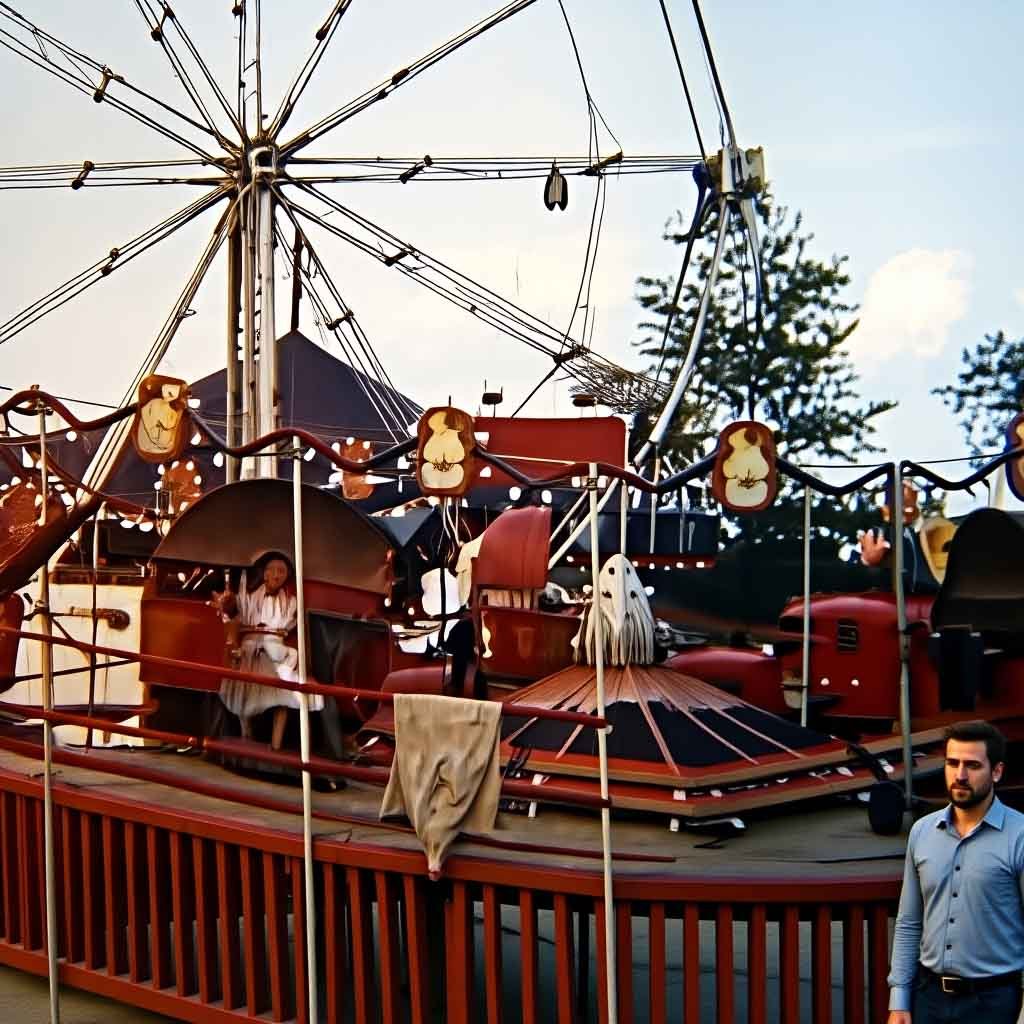


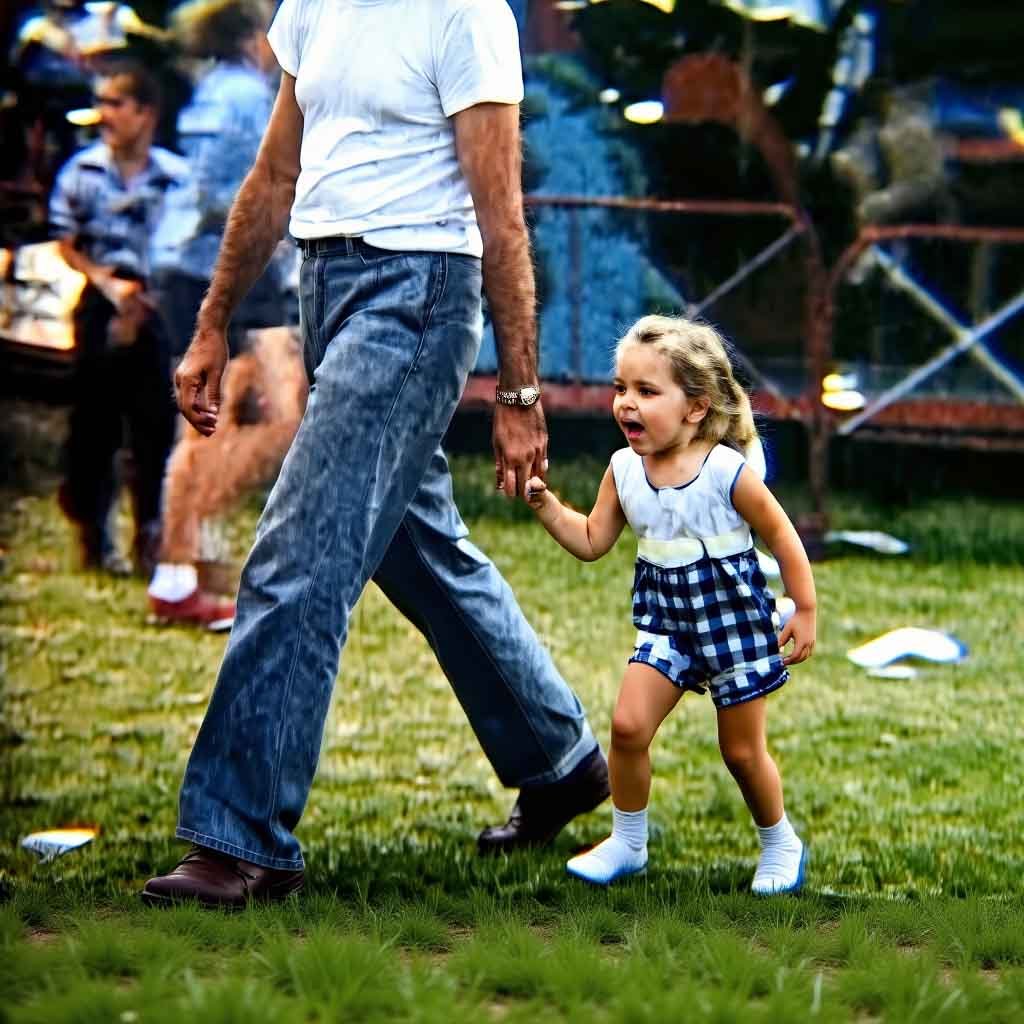
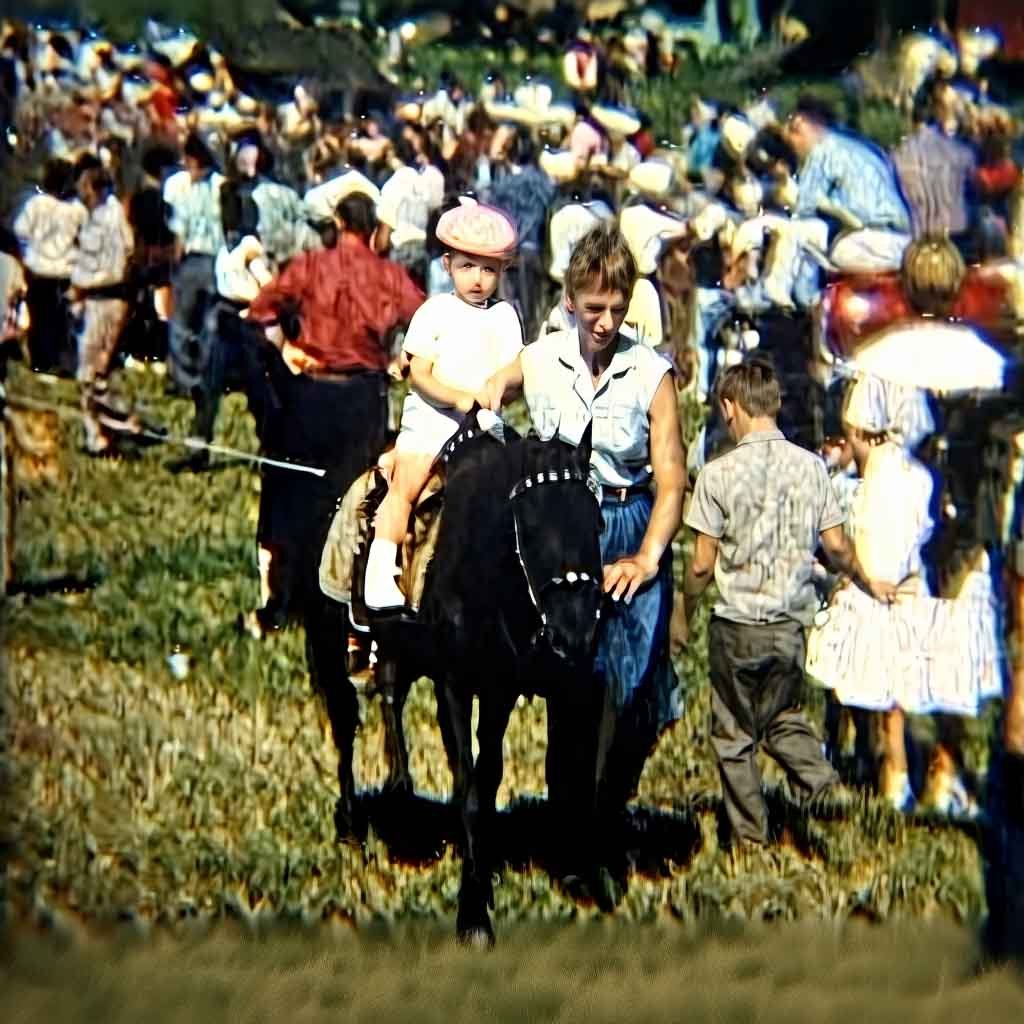


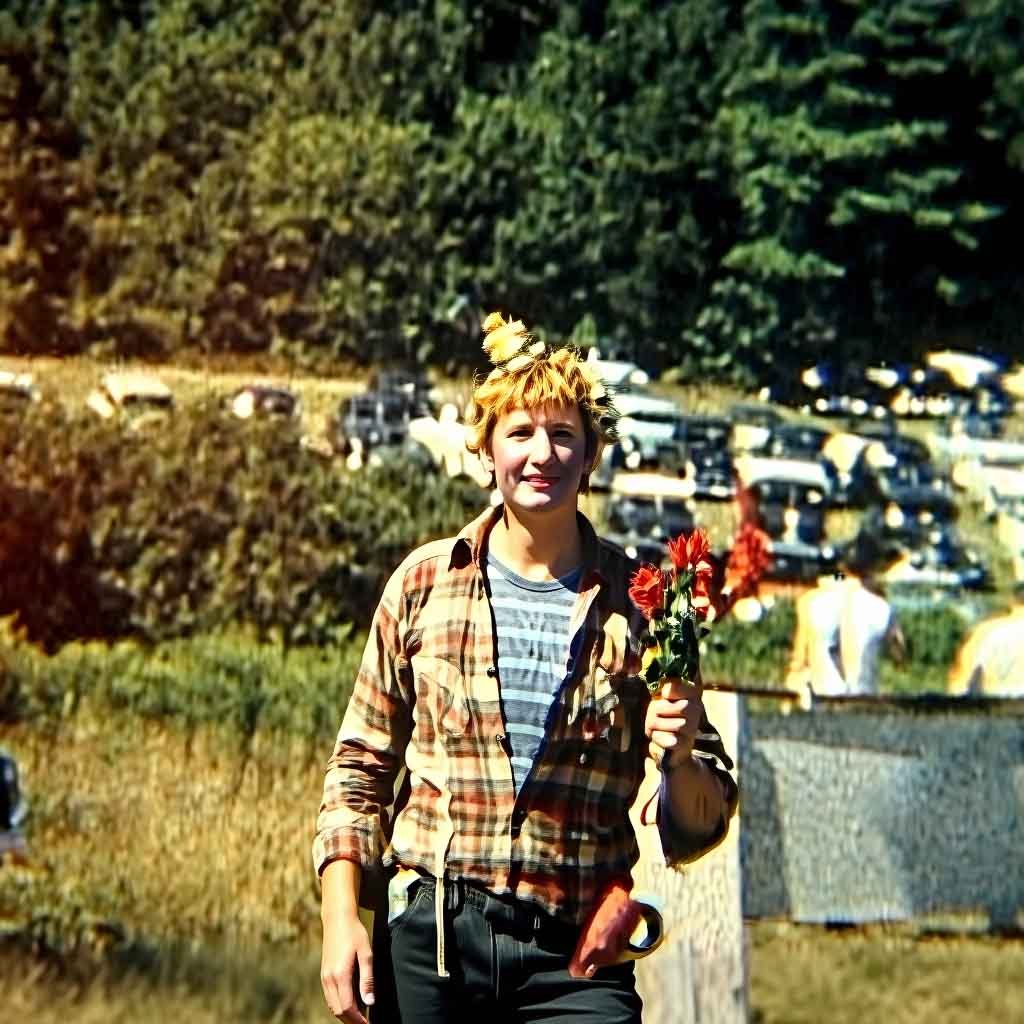

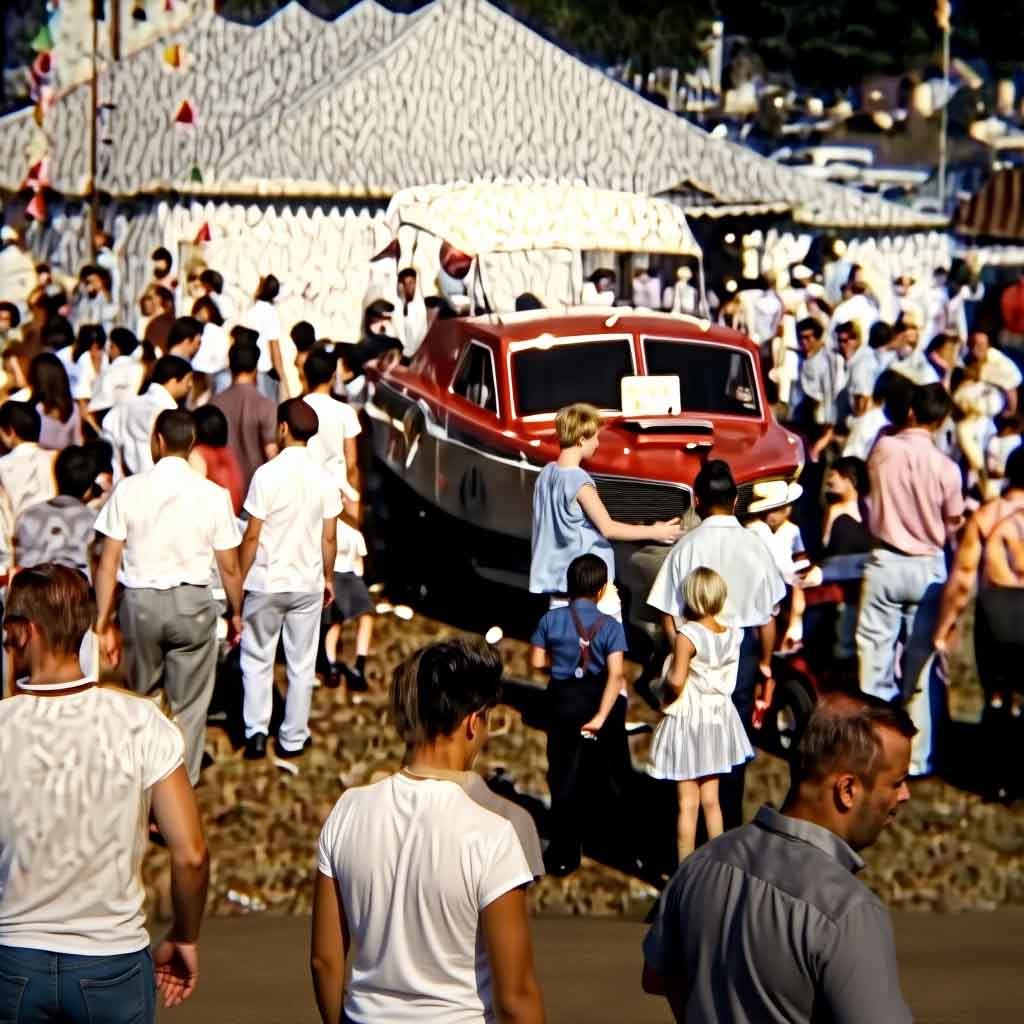


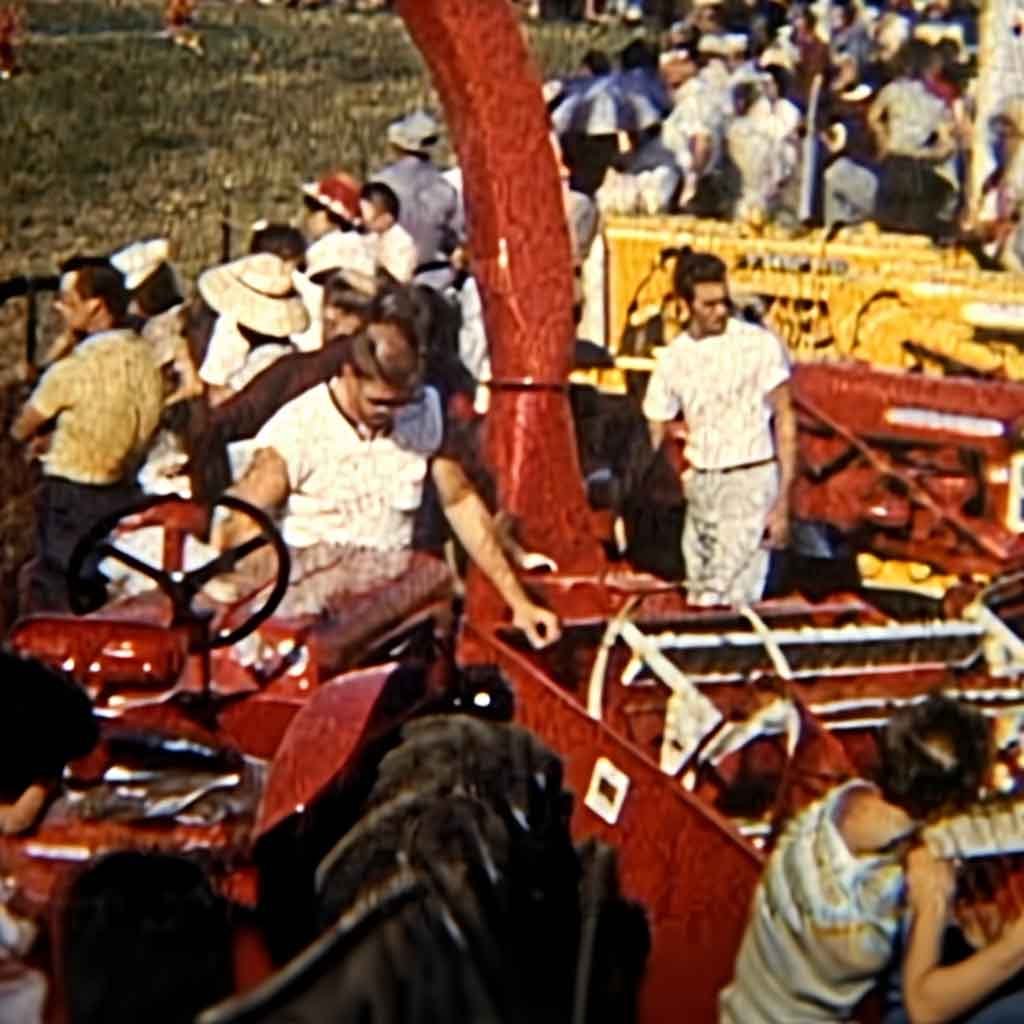


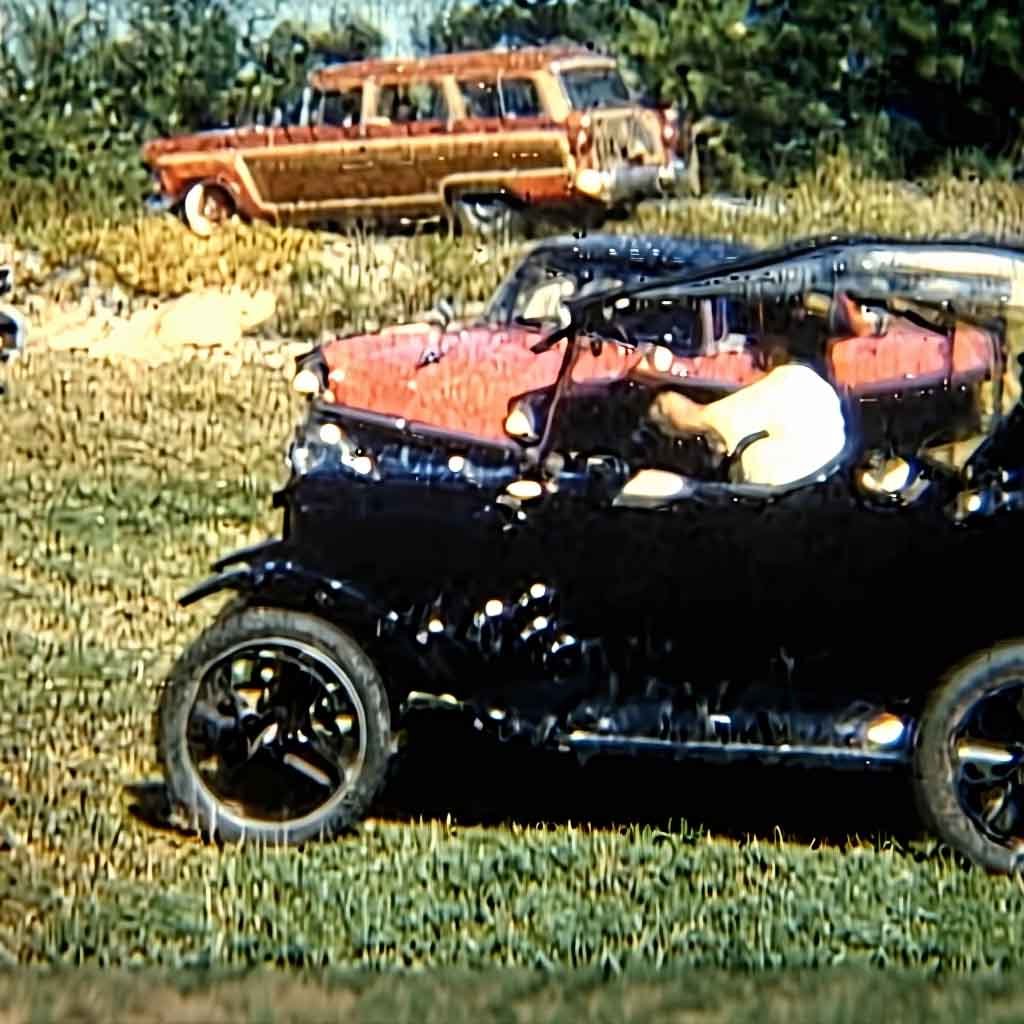


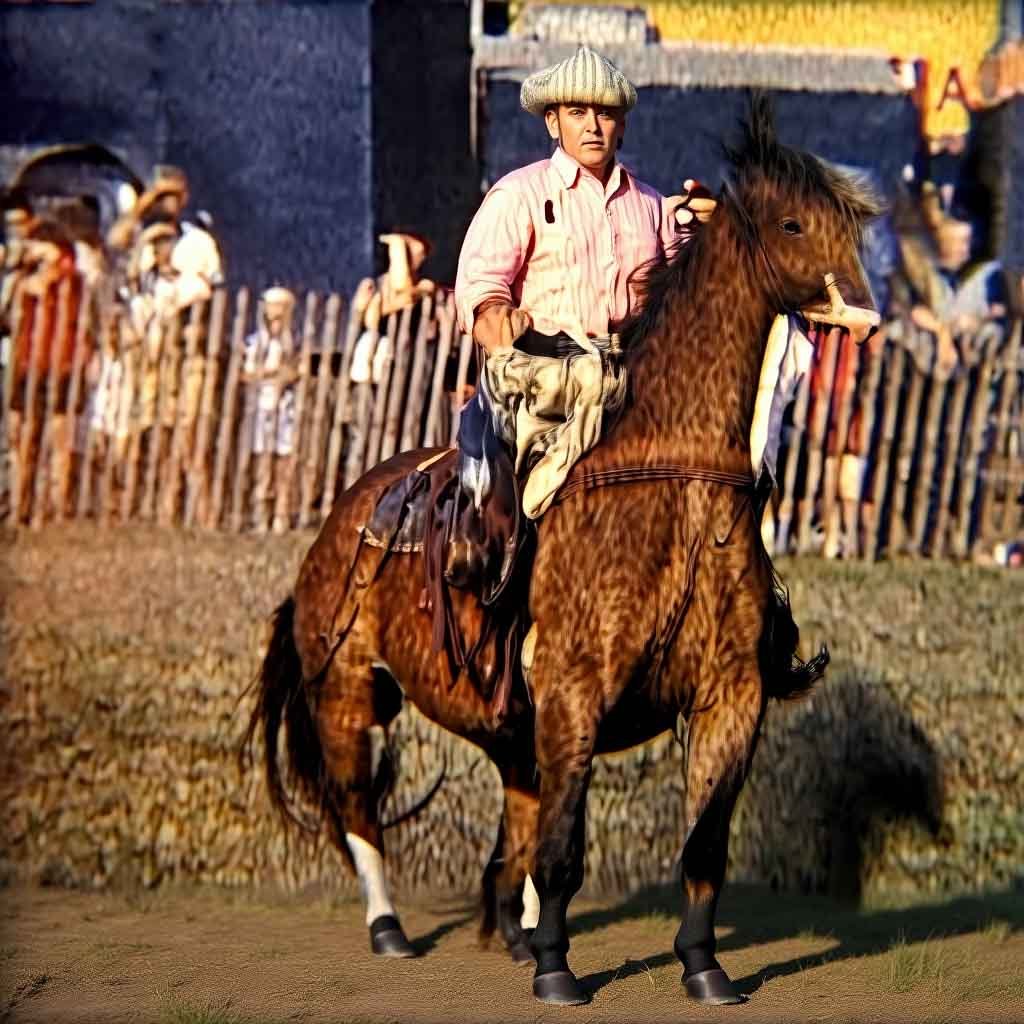

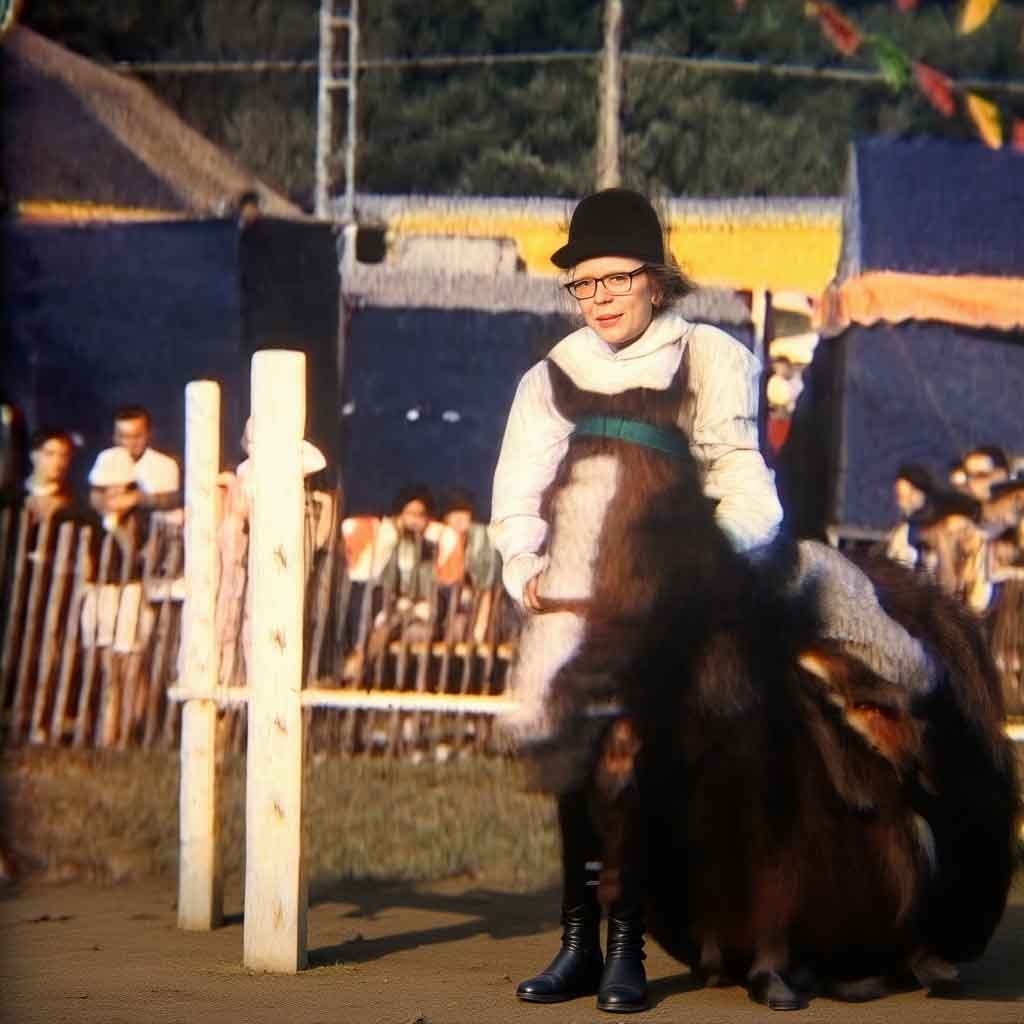
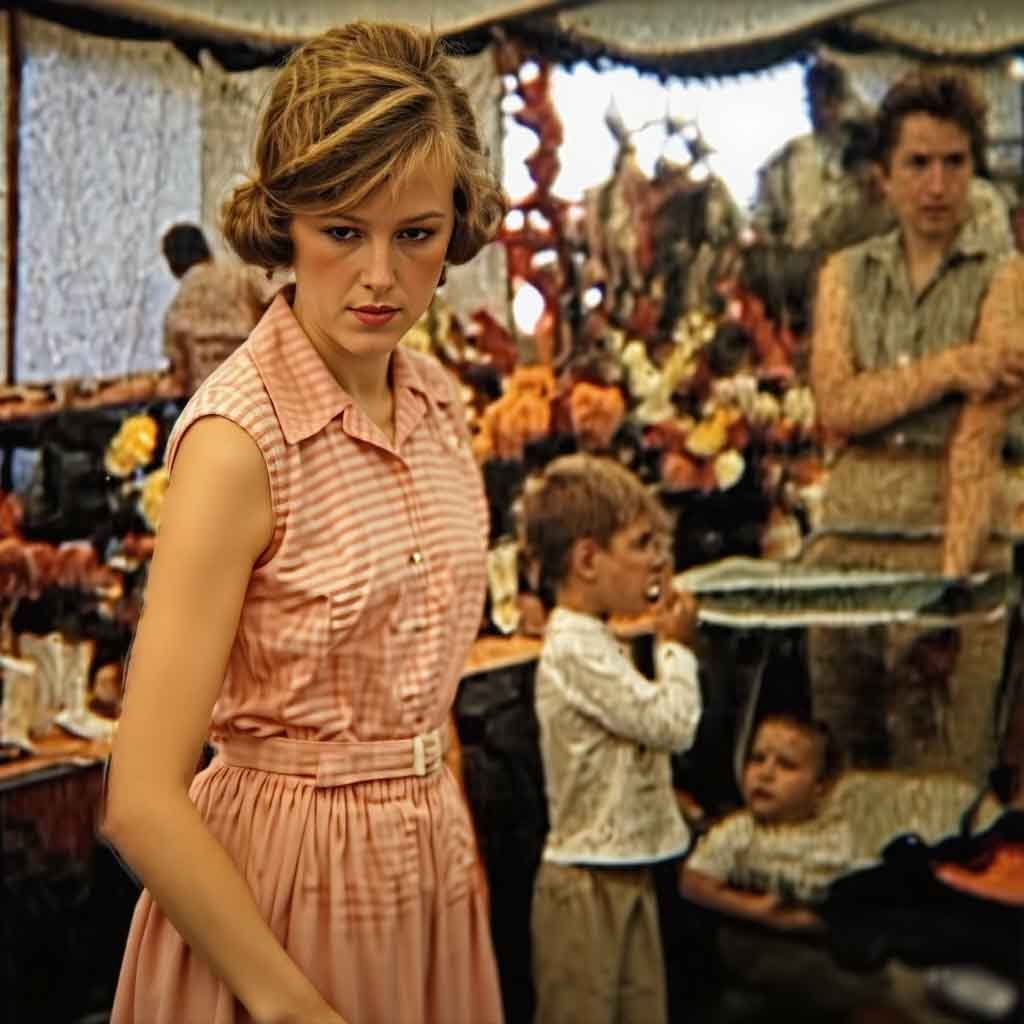

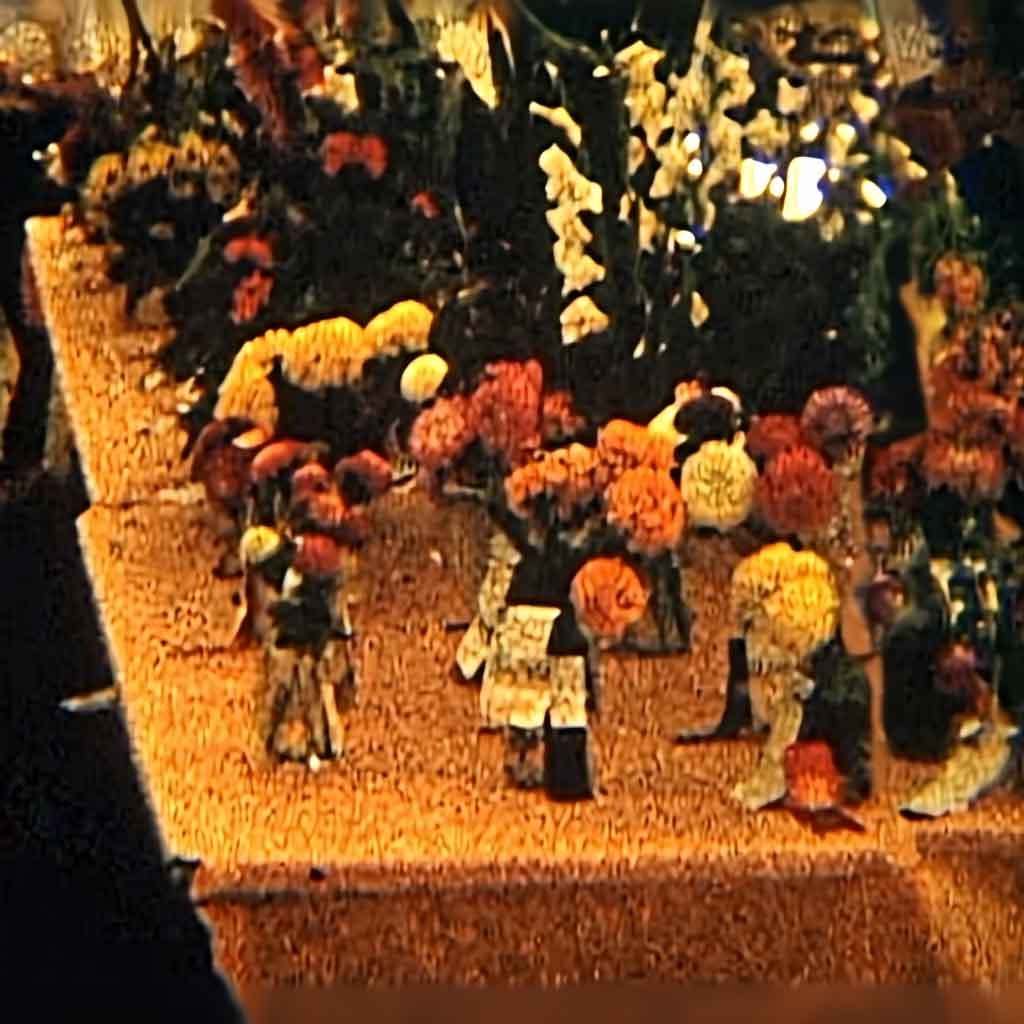


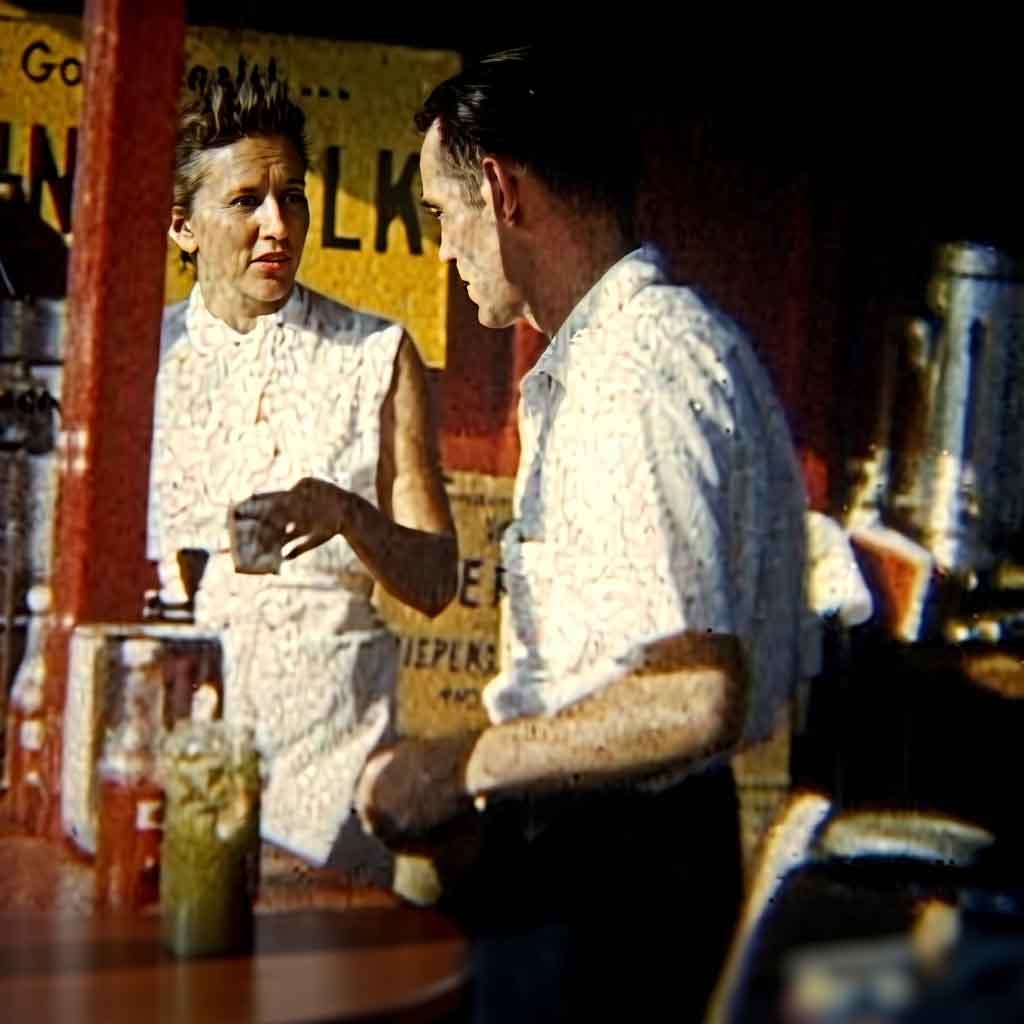

Images on the Gallery are captured from Blackstone Historical Commission’s DVD of East Blackstone Fairs (1950s & 1960s); edited and colorized by Small Town Post.
If you’ve never been to the Blackstone Historical Museum—or if it’s been a while—this is the perfect reason to visit.
Bringing the Spirit Back
The story of the East Blackstone Fair reminds us of something essential: community events don’t happen by accident. They happen because people show up—bringing time, energy, ideas, and heart.
The fair wasn’t just an event. It was a beloved tradition that brought people together, sparked pride in our town, and created lasting memories. Even decades later, those memories live on—proof that when something is built with care, its impact can stretch across generations.
And maybe that spirit doesn’t have to stay in the past.
Would you like to see something like the East Blackstone Fair return? Then bring your ideas. Get involved. Join a committee. Volunteer. This is your community—and when more people step up, more is possible.
As we celebrate what the fair once meant to Blackstone, it’s also a perfect time to look ahead. Next year, our town will join in the nation’s 250th anniversary, and planning is just beginning. Volunteers, ideas, and local energy will be key to making it a meaningful milestone.
You can also help shape other community traditions—like the annual Memorial Day parade and fair, now being planned by a growing volunteer group. Or get involved with the Parks & Recreation Committee or Blackstone Lions Club, who keep the spirit alive through events like the Blackstone Fall Festival.
The more we show up, the more we can create—together.
Want to See the East Blackstone Fair for Yourself?
Visit the Blackstone Historical Museum to view fair memorabilia and rare footage.
The Blackstone Historical Museum is open on Thursdays and Saturdays from 12 PM to 3 PM.
At Small Town Post, we believe that every town has a story worth telling—and it’s the people who live here who help bring those stories to life. From cherished traditions like the East Blackstone Fair to everyday memories, we’re here to preserve and celebrate what makes our small towns unique. If you have a story to share—about Blackstone’s history, a local tradition, your family, a business, a memory, or anything that reflects life in our community—we’d love to hear from you, contact us anytime. Make sure to follow us on Facebook to get the latest local stories and community updates.


Greetings !
A very nice trip down memory lane! … The E.B.Fair was all this article purports it to be, and the remarkable colored photos affirm this.
“Welllll, let me tell ya’ somethin’ “! … That was Jesse Deacon’s intro to another interesting tale. … Another great memory of an impressario extraordinaire!… Hard to believe it was 75 years ago !… We were a team back then … a gentler, kinder time.
Bill Kelly, co-chair
Loved the fair it is nice to read this article my family moved from there in 1960 but Blackstone has forever stayed in my heart.Carol Hammann Russ