Budget Talks & Tax Impacts: Key Takeaways from Millville’s Finance Committee Meeting
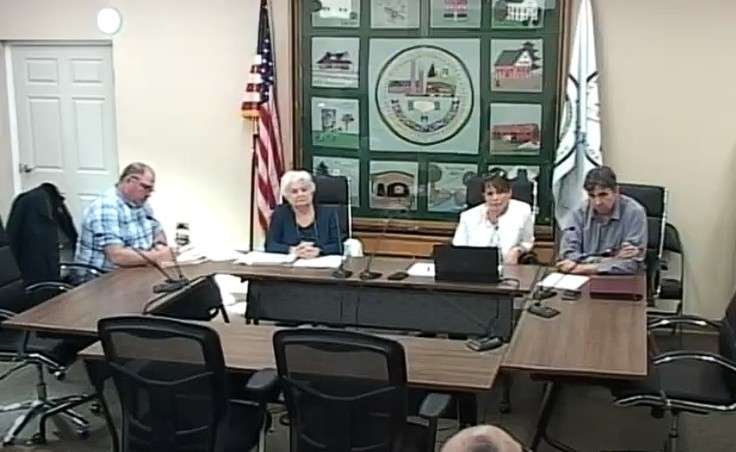
As the override vote approaches on Monday, April 7, the Millville Finance Committee met on April 1, 2025, to dig deeper into the town’s financial challenges for Fiscal Year 2026 (FY26). While general information about the override has been circulating, this meeting offered key insight into what’s driving the proposed tax increase — and what could happen depending on how residents vote.
Why the Finance Committee Meeting Mattered
Unlike general announcements about the override, the April 1 meeting gave residents a clear look at the town’s budget shortfall and the specific scenarios being considered to address it. The committee broke down real dollar amounts, explained what’s at risk, and offered context about how much money the town actually has on hand.
A $620,000 Deficit — And Two Ways to Address It
The committee reviewed two scenarios to deal with Millville’s $620,000 budget deficit for FY26:
- Scenario One: Reduce department spending by $345,400, leaving a gap of $274,000
- Scenario Two: Cut more deeply — $595,800 from departments — leaving only $24,200 left to close
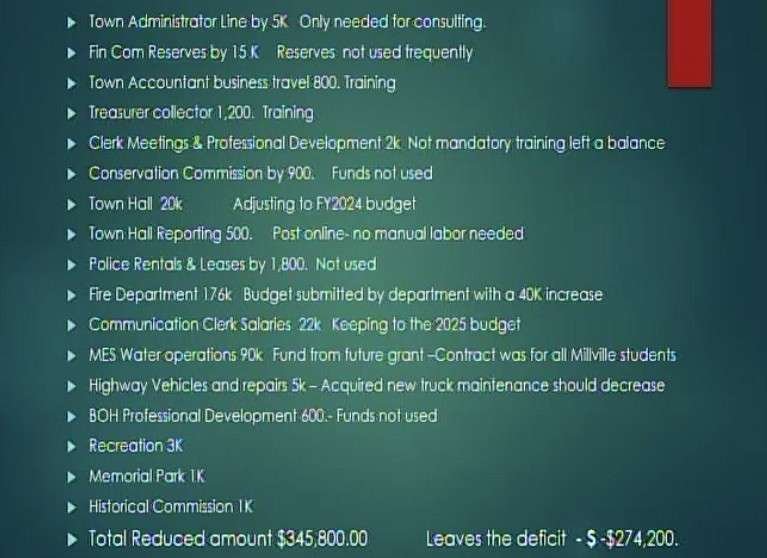
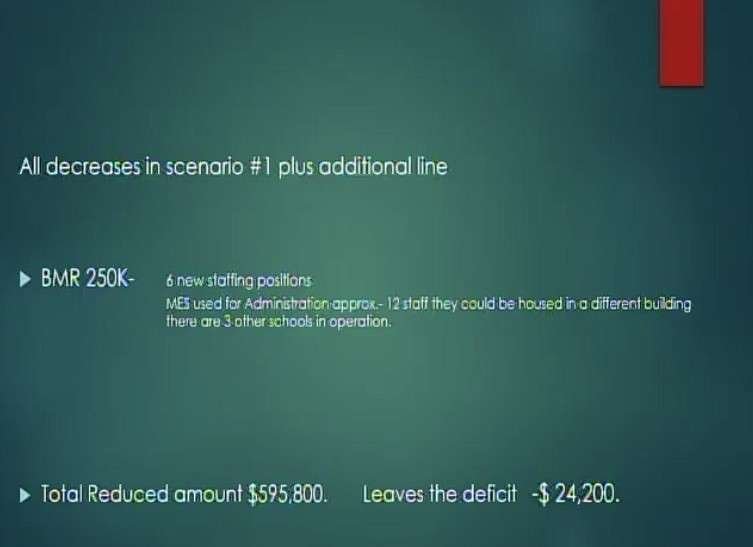
Both options would result in reduced services, and even the more aggressive scenario doesn’t eliminate the entire deficit.
Stabilization Fund and Free Cash: Not Long-Term Solutions
The committee also discussed town savings:
- Millville’s stabilization fund has $1.87 million, but officials recommend keeping 10% of the total budget in reserve to maintain financial health.
- “Free cash” — leftover funds from previous years — won’t be certified until October, making it unreliable for budget planning now. Committee members warned against using it as a primary tool for balancing the budget.
What the Override Would Do
The override, if passed, would allow the town to permanently raise property taxes beyond the state’s usual 2.5% limit. That increase would be used to fill the deficit and avoid further cuts to departments like police, fire, schools, and public works.
Committee members likened it to taking out a $30,000 mortgage over 30 years — a way to maintain services, but with a long-term cost to taxpayers.
Future Projects May Add to the Tax Burden
While the override addresses immediate shortfalls in the FY26 budget, residents should also be aware of upcoming projects that could increase taxes in the future — even if this override passes.
- Blackstone-Millville Regional School District Renovations:
Planned renovations to the regional school buildings could lead to a debt exclusion, a separate form of tax increase that temporarily raises taxes to pay off capital projects. This could represent a significant long-term cost for Millville residents. - Millville Elementary School Water System Improvements:
The town is pursuing grants to help cover the cost of necessary upgrades to the school’s water system. However, grant funding may not be sufficient, meaning additional town funds — and potentially tax revenue — could be required to complete the project.
These pending projects highlight the need for careful, long-term financial planning and transparency, as future borrowing and infrastructure costs may further impact taxpayers beyond the override vote.
Who’s Most Affected?
While the override would affect all property owners, the committee emphasized the burden on seniors and others living on fixed incomes. With about 1 in 5 Millville residents aged 65 or older, any tax increase may create hardship — even while essential services depend on the added revenue.
Why This Meeting Was Important
The April 1 Finance Committee meeting provided:
- Transparent discussion of budget numbers and gaps
- A look at the limits of free cash and stabilization funds
- Realistic options for reducing services — and what’s at stake
- A clearer explanation of how the override fits into long-term planning
The Takeaway for Millville Residents
This meeting wasn’t about campaigning — it was about laying out the financial facts and helping the town prepare to make a tough decision. No final budget recommendation was made, but the message was clear: Millville is facing difficult financial choices, and voters will play a key role in shaping the outcome.
The override is not just a short-term fix; it represents a long-term change in how the town funds its essential services.
Before you vote on April 7, take time to understand what the override means for your household and your community. Talk to your neighbors, review town documents, and don’t hesitate to ask questions.
Stay informed. Ask questions. And make your voice heard.
Watch the full video below