

Blackstone Cannabis Equity Policy: What Residents Need to Know
Breaking Down Blackstone’s Cannabis Equity Policy Requirements
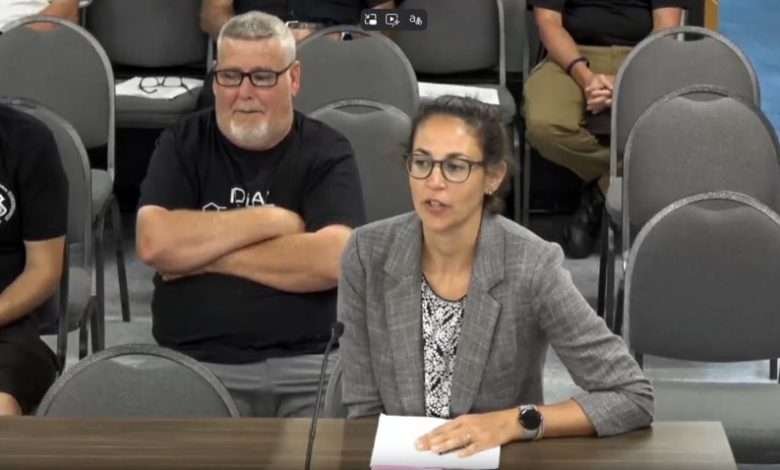
At the August 26, 2025 Board of Selectmen meeting, the Town of Blackstone discussed how to comply with the Cannabis Control Commission’s (CCC) equity policy. Legal counsel from Harrington Heep, Ivira Fried, provided guidance and sample documents, explaining that state regulations now require communities to take specific actions to promote fairness, transparency, and opportunity in the cannabis industry.
While the Board of Selectmen expressed concerns about state mandates and local impacts, Fried advised that adopting a basic equity policy and grading matrix will help Blackstone stay in compliance and avoid fines.
The Five Key Actions in the Blackstone Cannabis Equity Policy
1. Transparency Protocols
The CCC requires communities to create a dedicated webpage that shares information on cannabis licensing in town. This includes publishing host community agreements, approvals, and even denials (with explanations). While Blackstone posts some information now, it does not yet have a page specifically for cannabis business transparency.
2. Adopting an Equity Plan
Blackstone must create a plan that encourages applications from “social equity” businesses and program participants. The plan is required to include goals, programs, and measurements on how the town will support equity applicants, and the community must consistently publish data about these applicants.
Legal counsel explained that the suggested draft for Blackstone represents the bare minimum required to meet state regulations. It primarily documents existing practices—for example, guiding any applicant who asks for information or assistance through the permitting process—without committing additional town resources.
The CCC has also provided guidance on ways communities could go beyond the minimum, such as designating municipal contacts to work closely with equity applicants, reducing or waiving fees, or providing priority licensing reviews. While Blackstone’s draft does not require these extra steps, the town may choose to implement them if desired.
Counsel emphasized that these requirements do not provide additional benefits to businesses once licensed; the focus is on ensuring equitable access during the application process. The Equity Plan also helps the town stay in compliance with CCC regulations and avoid potential fines, while maintaining the town’s consistent approach to all applicants.
3. Host Community Agreement Protocols
When negotiating host community agreements, Blackstone must follow CCC guidelines, including negotiating in good faith and allowing applicants to use attorneys. The CCC also encourages language access for non-English speakers.
Fried noted that most of these steps reflect what Blackstone already does.
4. Grading Matrix for Applications
Blackstone is now required to use a scoring system—or “matrix”—when reviewing cannabis host community agreements. At least 25% of the score must be based on equity considerations.
This raised questions among Selectmen about fairness for long-time local residents versus state-defined equity applicants. Fried explained that Blackstone could customize its scoring matrix to reflect local values, such as awarding points for veteran-owned businesses or applicants with deep ties to the town.
5. Positive Impact Plan
Perhaps the most unclear requirement, a positive impact plan must show how the community will support individuals affected by past drug convictions or from disproportionately impacted areas. Since towns cannot operate like private businesses, the CCC has not offered clear guidance on how municipalities should meet this requirement. Blackstone’s draft policy includes language that recognizes these groups, without committing the town to financial programs.
Selectmen Concerns and Community Impact
Throughout the discussion, Chairman Dan Keefe and other board members voiced concern that the state’s equity policies leave the town with little choice. “We’ve always been fair and equitable,” Keefe said, noting that existing cannabis businesses in town went through rigorous local approval processes. The board’s concern was not about past practices, but about being required to adopt new policies set by the state.
(Outside the meeting, Keefe shared additional thoughts with Small Town Post, emphasizing that Blackstone has always treated cannabis applicants fairly. He noted that all four past applicants—three of whom fit the CCC’s “social justice” profile—were approved through the original process. He also expressed frustration that the CCC removed funding previously provided to towns while imposing unfunded mandates that shift financial responsibility to local taxpayers, even as the state continues collecting revenue. Keefe criticized the CCC for what he called a “bait and switch,” requiring compliance with new equity policies without providing resources, and reiterated that he has no intention of simply rolling over on these mandates.)
Returning to the Selectmen meeting, Selectman Edward Castonguay asked for clarification on what qualifies as a “social equity business.” Legal counsel explained that a social equity business is one where at least 51% of ownership meets specific criteria:
- Owners must be social equity program participants or certified economic empowerment priority applicants.
- Program participants may qualify if they have past marijuana-related convictions, were married to or are children of someone with such a conviction, or meet certain criteria related to living in a disproportionately impacted community.
- Certain racial or ethnic categories are included because the CCC considers these groups historically disproportionately affected by drug laws.
Legal counsel emphasized that these regulations are aimed at ensuring equitable access during the application process; they do not provide additional benefits once a business is licensed.
Selectman Edward Castonguay also questioned the use of race as a factor, and Selectman Mike Sweeney raised concerns about whether long-time local applicants could lose opportunities to state-defined equity applicants. Legal counsel noted that while at least 25% of scoring must consider equity, Blackstone can still customize the matrix to reflect local priorities, such as valuing applicants with strong ties to the town or other community factors.
No final vote was taken at the meeting. The Board will continue reviewing the proposed equity policy and grading matrix before moving forward.
Why This Matters for Blackstone
The Cannabis Control Commission has stated it may fine communities that fail to adopt these equity policies, with penalties up to $50,000. While the future of the regulations could still be challenged in court, for now Blackstone must take steps toward compliance.
This comes at a time when the cannabis landscape has shifted dramatically. As town counsel noted, the legal framework today looks very different than it did just five years ago. For example, the town is no longer guaranteed community impact fees—something many communities relied on as part of their agreements. At the same time, the CCC is clearly tracking how municipalities handle equity, which makes it important for Blackstone to show it is following both the letter and spirit of state law.
It’s also important to recognize that while the Board of Selectman oversees host community agreements, the ultimate question of whether a cannabis business moves forward in Blackstone depends heavily on the local planning process. A community can enter into any number of host agreements, but businesses must still secure approval from the Planning Board. That process—traffic studies, odor controls, and other conditions—is the safeguard we as a town have chosen to make sure new development does not negatively impact residents.
With Blackstone currently seeking a shared town planner, these policies and processes are even more relevant. The planner’s expertise will help guide applications through zoning and site plan review in a way that balances state requirements with local priorities.
For residents and business owners, the cannabis equity policy is not just about compliance—it’s about keeping the process transparent, fair, and consistent with state law, while preserving the community’s values in decision-making. Anyone with questions or concerns is encouraged to reach out to the town and take part in the conversation.
Cannabis Control Commission’s Equity Policy discussion starts 14:40
At Small Town Post, our mission is to make complex local issues easier to understand for every resident. Policies like the Blackstone cannabis equity policy may seem complicated, but they affect how our town operates and how decisions are made. We believe that informed communities are stronger communities. If you have local stories, updates, or tips to share, please send them our way anytime—we love hearing from you.
Be sure to follow Small Town Post on Facebook, where we post regular updates, meeting recaps, and community stories. Stay connected, stay informed, and stay proud of Blackstone.





Does Selectman Castonguay somehow not know that race IS and HAS historically BEEN a factor in the imprisonment of Black people for cannabis use/possession? Maybe he needs to look up some data – there’s plenty of it. I’m not providing any links. I’m sure he can google them on his own.